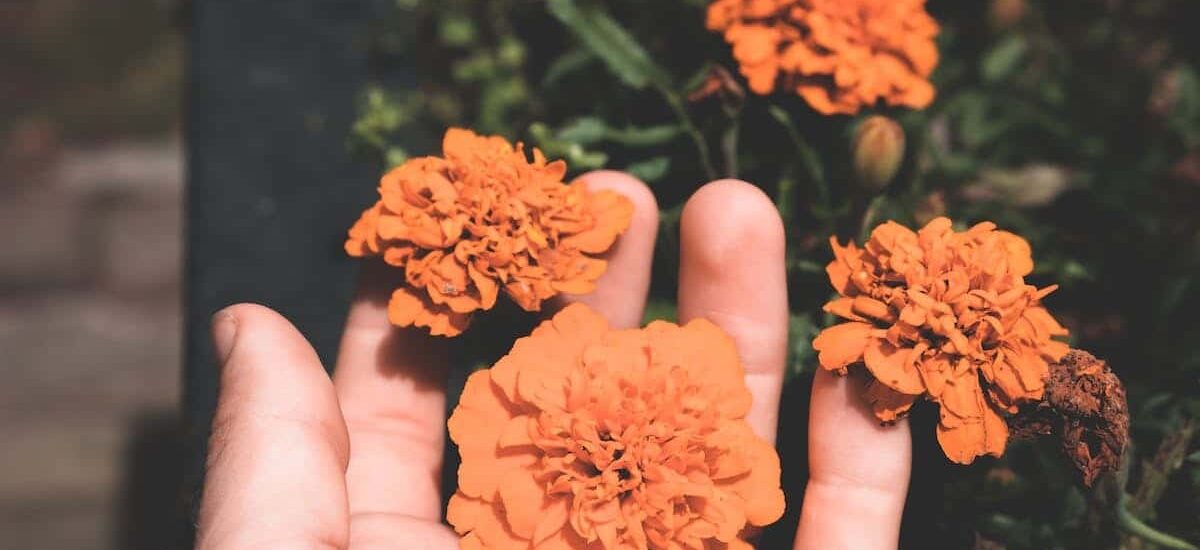
Marigold, a vibrant flower with bright hues that beautifies gardens and flowerbeds, is valued for its ease of cultivation and its repellent qualities against certain pests. These floral wonders, native to western Mexico, are known for their ability to thrive in various soils and climates. Although their cultivation is simple, there are specific steps to sow marigolds directly in the ground to optimize their growth and flowering. This guide aims to provide detailed instructions to help amateur and professional gardeners successfully plant these magnificent flowers.
Soil Preparation for Successful Sowing: Essential Steps
Choosing the right marigold seeds is a crucial step before starting to sow marigold seeds in the ground. This decisive selection will influence not only the aesthetic outcome of your garden but also the resilience of your plants against various climatic conditions and potential pests.
Marigolds are available in several varieties: dwarf or tall, single or double flowers, with a color spectrum ranging from soft yellow to intense orange. Therefore, it is essential to make a thoughtful choice to achieve the desired result when sowing marigold seeds in the ground.
For those who want to see their green space quickly colored without too much effort, dwarf varieties like ‘Petite Yellow’ and ‘Bonanza Orange’ are excellent choices. They grow quite fast—generally six to eight weeks after being planted—and require very little care once they have established themselves in your garden.
On the other hand, if you want your marigolds to dominate in beds or serve as tall borders for flower beds, opt for larger varieties like ‘Crackerjack Mix’. Although it takes longer before flowering (two to three months), this variety will provide you with an impressive floral display throughout the beautiful season.
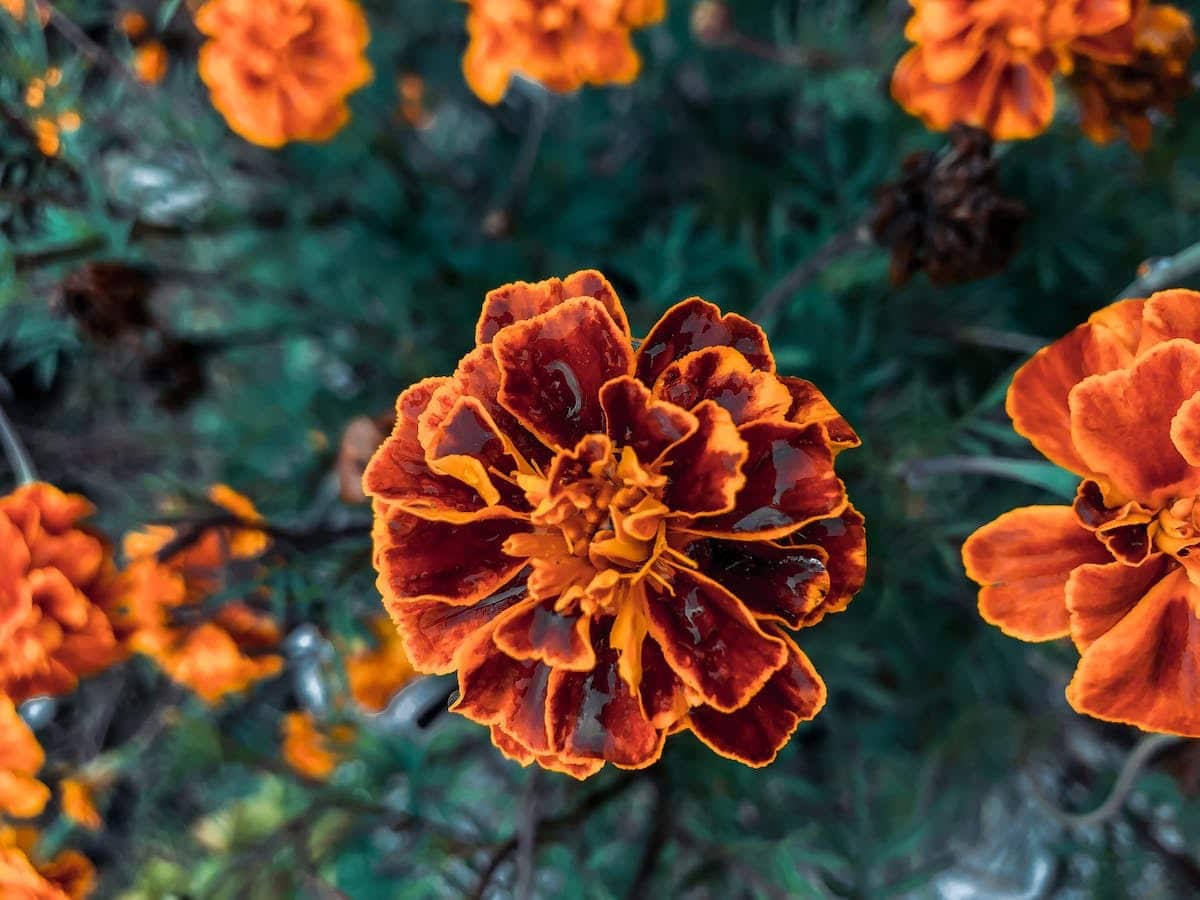
Regarding color selection when considering sowing marigold seeds in the ground, it is essentially a personal choice: while warm tones will bring vitality and cheerfulness, darker shades will give a more elegant and sophisticated ambiance depending on the desired style.
Finally, in terms of health and resistance to diseases as well as certain pests, some specimens have proven their robustness, such as “French Vanilla,” particularly known for its exceptional resistance to downy mildew; or “Goldie,” renowned for naturally repelling certain pests like the chrysanthemum nematode.
Do not underestimate the preliminary step of carefully choosing the seeds, as this strongly conditions the next step, which will specifically involve sowing these marigold seeds directly in the ground!
Marigolds: How to Choose the Ideal Seeds for Your Garden
To sow marigolds in the ground, be sure to choose the right time. It is recommended to wait until the risk of frost has passed before proceeding with sowing. Generally, this occurs between late spring and early summer.
Before starting the sowing, prepare your soil well. It should be clean, free of weeds, and well-tilled. A good sun exposure also promotes seedling growth.
The traditional method involves digging holes or trenches in your previously prepared soil. The spacing between the holes will depend on the type of marigold you have chosen: for dwarf varieties, a reduced spacing is usually sufficient; while for larger varieties, a wider spacing will allow the plants to develop harmoniously.
Once your spacing is done, place one seed in each hole at a depth approximately double its size. Then lightly cover with potting soil or a light mixture consisting mainly of compost and sand to improve drainage while providing the necessary nutrients to the seeds when they germinate.
After completing this crucial step of sowing in the ground, be sure to water generously but regularly so that the top layer remains moist until the germinated seeds reach a height sufficient to withstand climatic fluctuations.
When the first leaves appear, you can proceed with thinning by removing the weakest plants, thus leaving enough space for the remaining plants to develop well. This step promotes more vigorous growth and abundant flowering.
Don’t forget to regularly monitor your plants and provide appropriate care if necessary. Be sure to maintain well-drained soil and water moderately to avoid excess water that could cause fungal diseases.
By carefully following this method of sowing in the ground, you will achieve beautifully flowering marigolds in your garden. Their bright colors and pleasant fragrance will undoubtedly add an aesthetic touch to your outdoor space.
Sowing in the Ground: The Method for Vigorous Plants
After sowing your marigolds in the ground, you must properly care for them and ensure they are watered to promote their harmonious growth. The plants need a regular supply of water but without excess to prevent the risk of root rot.
Watering should be done carefully, avoiding flooding the soil. It is recommended to use a drip irrigation system or a watering can with a fine rose for uniform water distribution at the base of the plants. Ensure that the water reaches the root zone without excessively wetting the leaves and flowers, as this can promote the development of fungal diseases.
The frequency of watering will depend on the climatic conditions and the type of soil in your garden. Generally, moderate watering every 2 to 3 days will suffice, but during particularly hot and dry periods, you may need to increase this frequency. Regularly check the soil moisture by inserting your finger into it up to the first knuckle: if you feel that the soil is dry at this depth, it’s time to water.
In addition to regular watering, do not hesitate to closely monitor your plants for any signs of pests or diseases. Aphids are often attracted to marigolds; if you notice an infestation, you can use natural remedies such as soapy water or nettle manure to eliminate them. If your plants are affected by fungal diseases such as gray mold or powdery mildew, immediately remove the infected parts and use a biological fungicide if necessary.
Regarding fertilization, you should use fertilizers specifically formulated for annual flowers. Carefully follow the instructions on the packaging regarding the amount to apply and the frequency of use.
To achieve abundant and prolonged flowering throughout the season, do not hesitate to practice regular pruning of your marigold plants. Cut off faded flowers as they appear to stimulate the production of new blooms. This operation also helps maintain a neat appearance in your garden.
Properly caring for and watering your marigold plants in the ground is essential to ensure their healthy and vigorous growth. By following these simple yet effective tips, you will be rewarded with a colorful explosion in your garden thanks to the magnificent flowers of marigolds.
Diseases and Pests: How to Protect Your Marigolds
After sowing your precious marigolds in the ground, it’s time to move on to the next step: harvesting and using these beautiful flowers. Marigolds are a true delight for the eyes with their vibrant colors and enchanting fragrance. But how do you harvest these flowers and how can you best use them?
The first step is to carefully observe your marigold plants. When you notice that the flower buds begin to bloom and the petals slightly unfold, it’s a sign that it’s time to harvest. It is best to pick the flowers early in the morning when the temperature is cooler.
To properly harvest the marigold flowers, equip yourself with a clean, sharp pair of scissors. Gently cut the stem just above the first leaf node located below the flower bud. Be careful not to damage other parts of the plant during the cut.
Once you have harvested a beautiful bouquet of marigolds, you can now enjoy their beauty in your home or consider various creative uses.
Fresh bouquets are always an excellent choice for decorating your interior or giving colorful gifts to loved ones who appreciate nature. Simply place your flowers in a vase filled with fresh water and change the water every two days to prolong their lifespan.
If you wish to preserve your marigolds longer, you can opt for drying. To do this, gather the stems into small bouquets and hang them upside down in a dry, well-ventilated area. Wait a few weeks until the flowers are completely dry before using them in dried arrangements or floral compositions.
Harvesting and Using Marigold Flowers: Tips and Ideas to Make the Most of Them
Another way to use marigolds is to transform them into natural cosmetic products. Their antibacterial and anti-inflammatory properties make them valuable ingredients for making creams, lotions, or soaps. You can infuse the flowers in a vegetable oil like sweet almond oil for several weeks, then strain the mixture to obtain an oil with multiple benefits.
Marigolds can also be used in the garden as a natural repellent against certain unwanted insects. Indeed, their strong and characteristic scent effectively keeps aphids, whiteflies, and other pests at bay that may harm your plants.
To do this, you can prepare a decoction from the leaves and dried flowers. Boil 100 grams of these aerial parts in one liter of water for about 30 minutes. Let it cool before straining the liquid obtained, then pour it directly onto your crops or spray it with a sprayer on the affected areas.
In addition to their many practical applications, let’s not forget that marigolds are also beneficial for the biodiversity of the garden thanks to their attractive power on certain pollinators such as bees and butterflies.
Sowing marigolds in the ground not only offers a magnificent visual spectacle with their bright colors but also numerous possibilities for use. Whether for interior decoration, creating cosmetic products, or as a natural repellent in the garden, these versatile flowers deserve a special place in our environment.
Remember that marigolds are annual plants that need to be renewed each year to enjoy all their benefits.