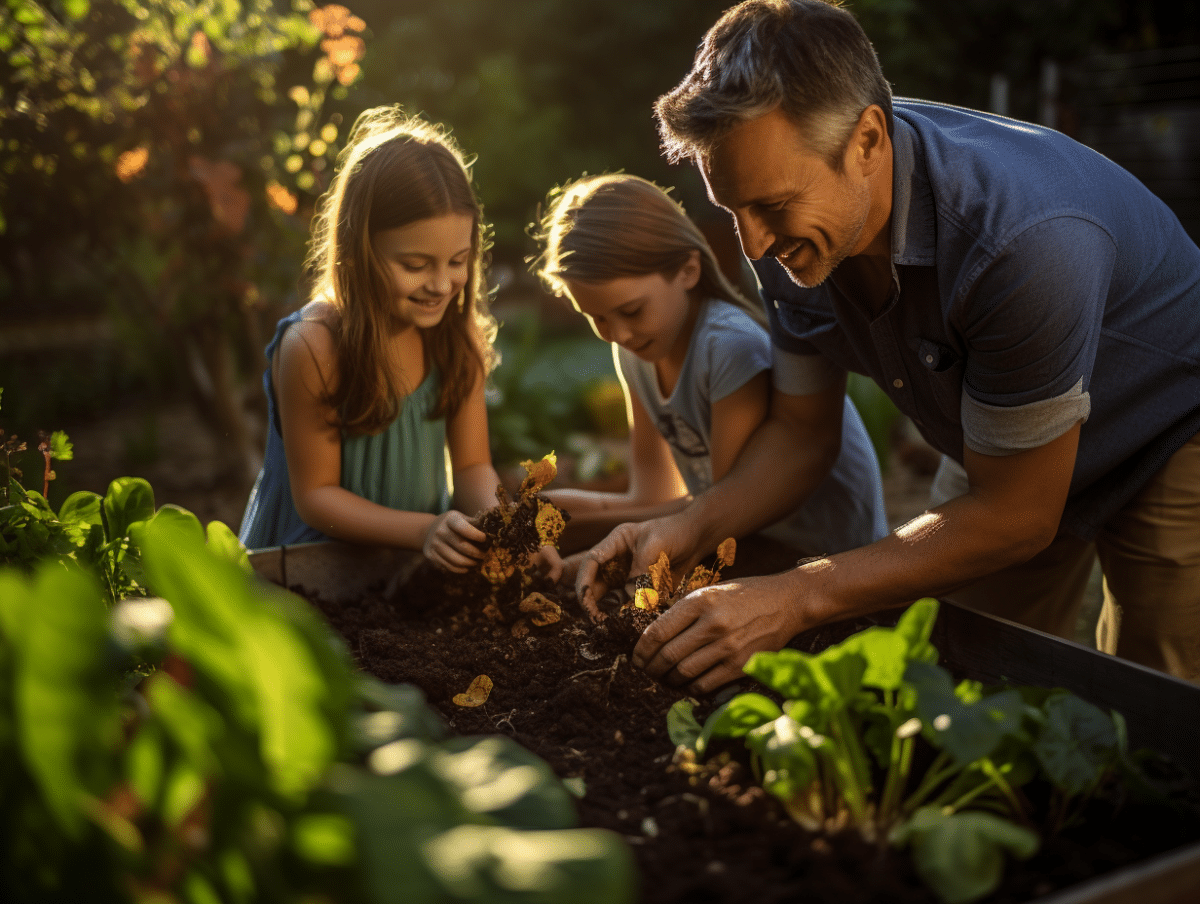
Home composting is gaining popularity as an effective way to reduce household waste while improving soil quality for gardening. This eco-friendly practice, which transforms organic waste into a fertile amendment, can be tricky for beginners. With the balances to maintain between green and brown materials, moisture management, and aeration of the pile, novices may feel overwhelmed. A comprehensive guide to home composting thus offers an invaluable resource, providing step-by-step advice, tips to overcome common challenges, and strategies to speed up the decomposition process.
The Fundamentals of Home Composting
Composting is a method of waste management that involves transforming organic materials into a beneficial amendment for the soil. This natural process relies on the action of various microorganisms, such as bacteria, fungi, and insects, that decompose the matter to convert it into compost. Visit direct-habitat.fr to discover suitable equipment and additional advice on composting at home.
Composting not only helps to reduce household waste but also contributes to producing a nutrient-rich natural amendment, essential for achieving a bountiful harvest in your garden. By adopting this practice, you optimize energy flow, recycling what would otherwise be lost, and perform small actions for significant environmental changes.
Composting can be done in several ways: on the surface, in piles, or in specific bins. Each method has its advantages and requires an understanding of decomposition and compost formation. Whether you choose to spread your organic waste directly on the ground or pile it up to encourage temperature rise, know that you are participating in a virtuous cycle of waste valorization that benefits both your soil and the environment.
The Key Steps for Effective Home Composting
Preparation is the first step. Choose between pile composting for spacious gardens, bin composting for smaller spaces, or vermicomposting for accelerated action using specific worms. These methods respect the constraints of each habitat while ensuring optimal transformation of organic waste. Don’t overlook surface composting, which integrates directly under the mulch, enriching the soil with no extra effort.
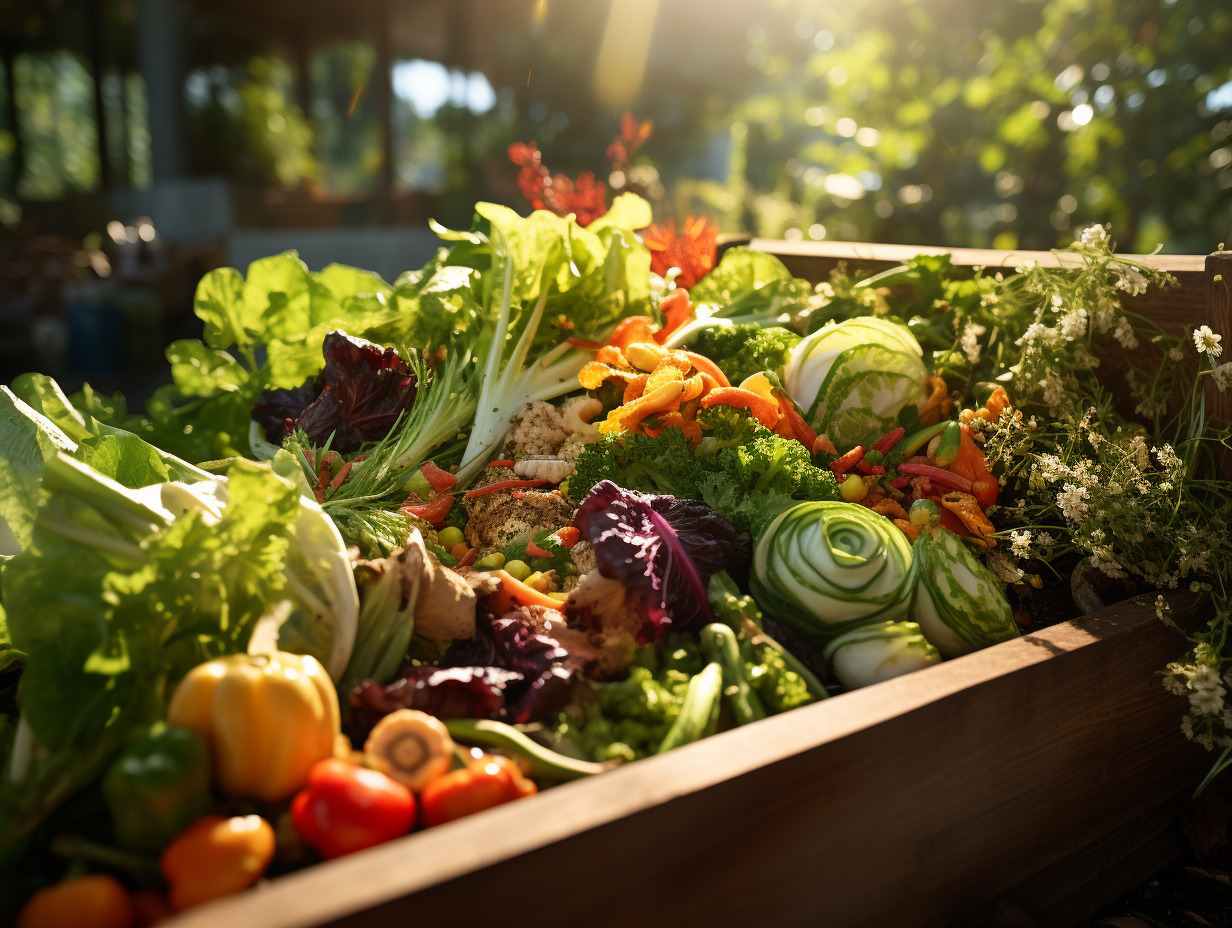
Assembling the waste is the second step. Incorporate a variety of materials, combining kitchen scraps and green waste from the garden. This variety is crucial: it ensures a balance between nitrogen and carbon, essential for nourishing the decomposition process. Ensure good aeration of the pile or bin to allow microorganisms to operate effectively.
Monitoring is the third step. Observe changes, check moisture levels, and regularly turn the compost to maintain biological activity. A master composter can guide your first steps, sharing expertise to prevent imbalances that could slow down compost formation.
Using mature compost marks the final step. Use it as a soil amendment to enrich your flower beds or as mulch to retain moisture. Making compost tea is another application, providing a nutrient-rich liquid fertilizer for your plants. Every action of home composting is part of a waste management prevention strategy, transforming organic leftovers into resources for a thriving garden.