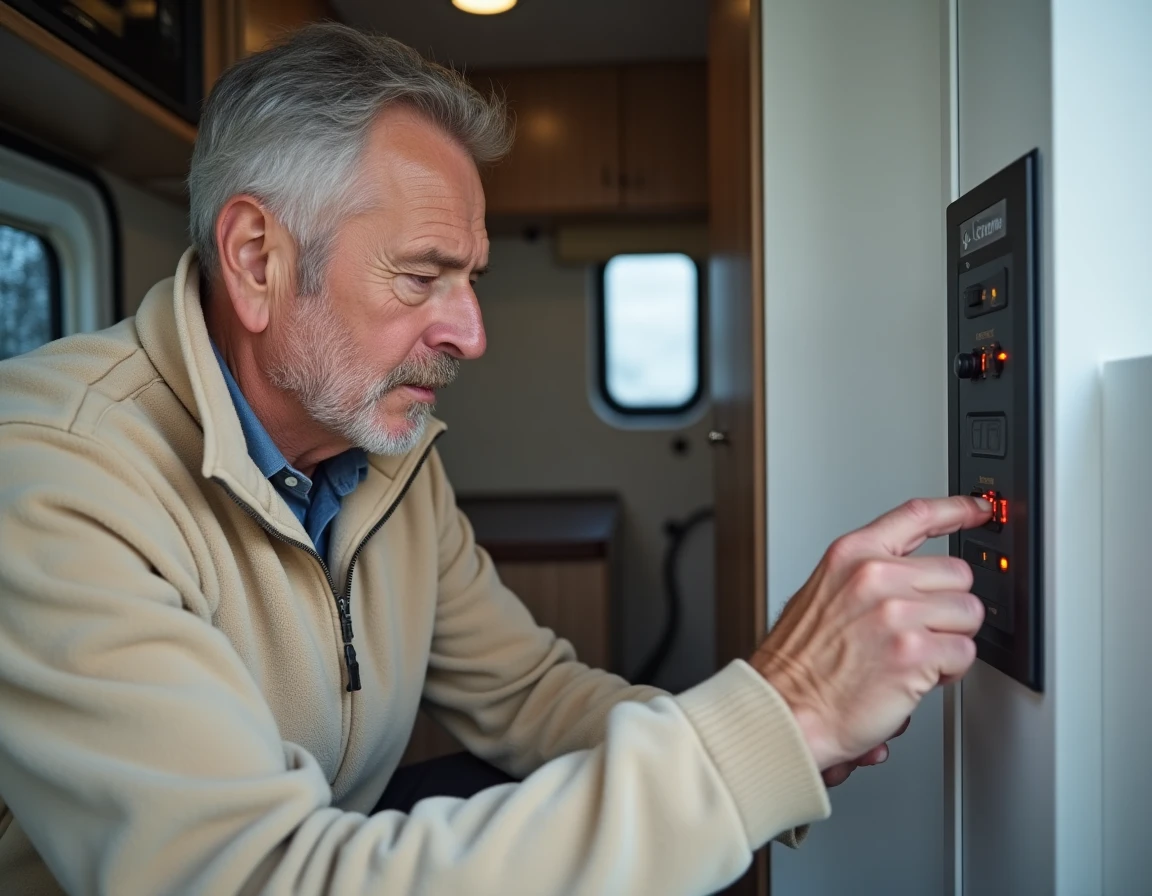
We are at a highway rest area in December, the Truma Combi is displaying a strange blinking light and the heating refuses to restart. Before disassembling anything or calling a repairman, the first thing to do is to correctly read the displayed code. Truma error codes follow a precise logic, and knowing how to decode them on-site avoids most unnecessary interventions.
Truma panel or manufacturer screen: where to read the real error code
On newer motorhomes (Hymer, Bürstner, and others), the Truma heating system is often controlled by a centralized control panel specific to the manufacturer. This panel translates Truma codes into pictograms or simplified messages that do not always correspond to the original code.
For reliable diagnostics, the code is read directly on the Truma panel or on the device’s LED. The CP Plus, CP 3X, or iNet X display a precise blinking code, with a number of flashes and a color (red, yellow) that indicate a specific fault. The manufacturer’s screen may obscure this information or summarize it into a generic message like “heating error”.
Before any manipulation, note the exact number of blinks and their rhythm. It is this sequence that allows you to understand the list of Truma error codes and identify the faulty component, whether it is the gas circuit, the power supply, or a sensor.
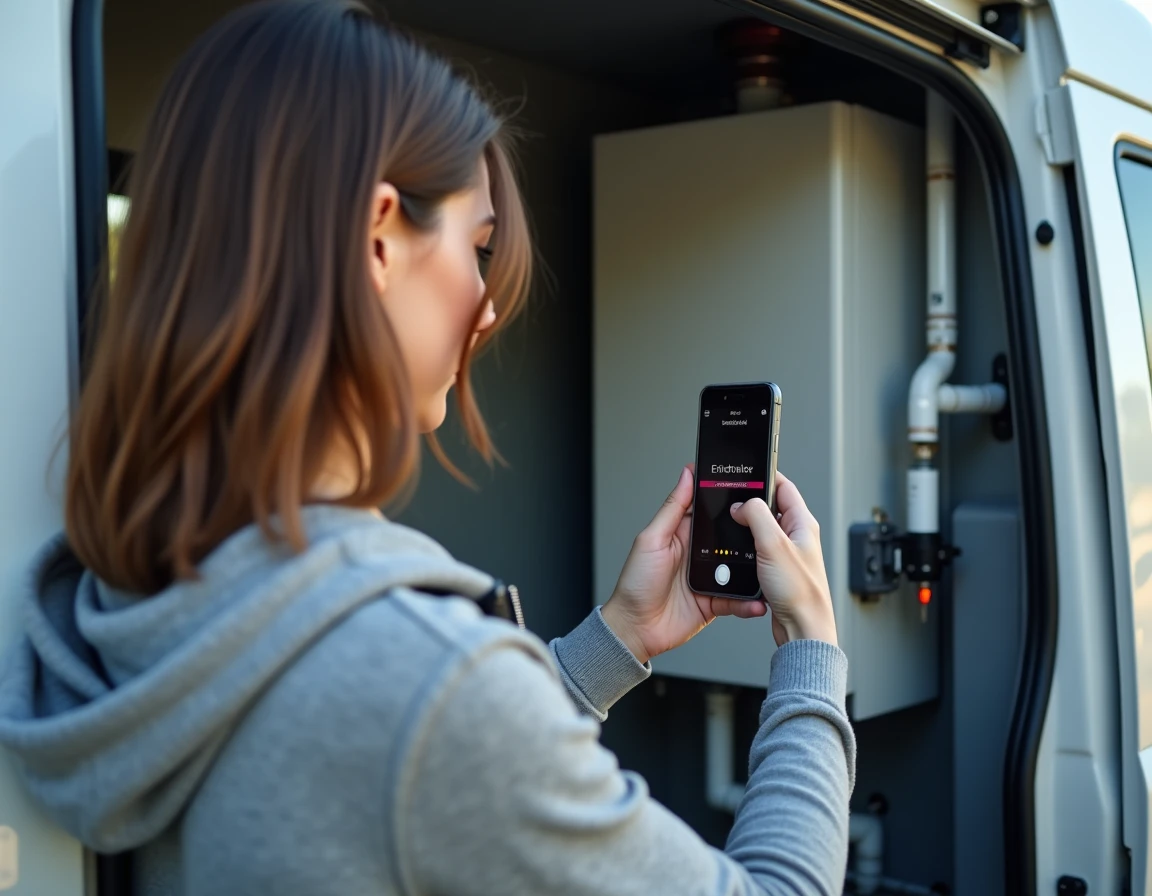
Common codes on Truma Combi: E133H, W255H, and W517H
Three codes frequently appear on Truma Combi, and each points to a different problem.
E133H: gas ignition fault
This code appears when the burner fails to ignite after several attempts. The most common causes are an empty gas bottle, a closed valve, or a frozen regulator in extreme cold. First, check the upstream gas supply before suspecting an internal component.
If the bottle is full and the valve is open, the problem may lie with the gas circuit itself: a kinked hose, a clogged filter, or air in the line after a bottle change. Attempting a restart after purging often restores operation.
W255H: overheating detected
The Combi shuts off the heating when the internal temperature of the device exceeds the safety threshold. This frequently happens when the air outlets are obstructed (cover, curtain, poorly placed storage) or when the fan is running slowly due to low battery voltage.
Start by clearing all hot air outlets and check the battery voltage. Below a certain threshold, the fan does not run fast enough to expel heat, triggering the safety mechanism.
W517H: communication problem
This code indicates a communication breakdown between the control panel and the device. A poorly seated connector, a pinched cable during installation, or contact oxidation are the usual causes. Check the physical connections, especially the cable connecting the CP Plus to the Combi.
Window sensor on CP 3X: a code often misunderstood
On Truma units equipped with a CP 3X panel, a specific blinking code indicates a window sensor fault. This sensor detects if a window is open to adjust the heating operation. In the event of a faulty sensor or a disconnected cable, the CP 3X displays a dedicated code that is not a generic fault code.
This fault is particularly encountered on newer rental vehicles. The sensor may have been damaged during interior cleaning or simply disconnected due to road vibrations. This code is recognized by its distinct blinking sequence on the CP 3X panel, different from gas or electrical fault codes.
Feedback varies on this point: some users report that simply reconnecting the sensor connector resolves the issue, while others need to replace the sensor itself.
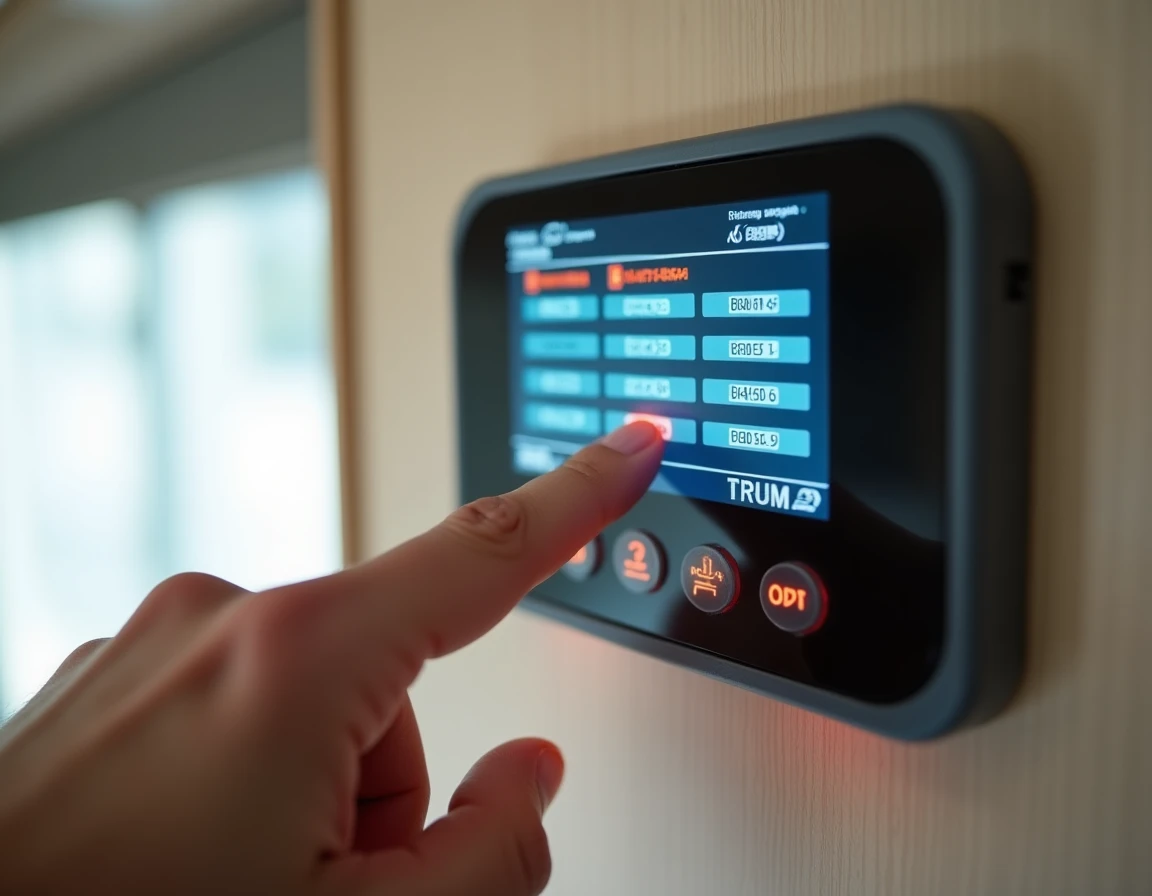
Truma reset procedure: when and how to reset
A reset does not fix the fault; it clears the code to check if the fault persists. Resetting should only be done after addressing the probable cause.
- On a CP Plus with a digital screen, press and hold the rotary button for several seconds until the screen restarts. The code disappears if the fault is corrected.
- On a classic rotary panel (CP 3X or older model), cut the power supply to the device at the cell circuit breaker, wait a minute, then restore power.
- On connected iNet X systems, resetting is done through the app or the touch panel. The app displays the history of codes, which helps identify a recurring fault.
If the same code reappears after two successive resets, the fault is confirmed and requires intervention on the identified component. Three unsuccessful reset attempts indicate a hardware problem that exceeds on-site troubleshooting.
When to call a certified Truma technician
Not all codes can be handled at a rest area. As soon as the fault concerns the gas circuit downstream of the regulator (burner, internal gas valve, ignition electrode), manipulation by a non-professional poses a real risk. Gas does not forgive approximation.
- A code that consistently reappears after checking the gas and power supply indicates a faulty internal component.
- Any smell of gas associated with an error code requires immediate shutdown of the gas supply and ventilation of the vehicle.
- Codes related to the water pump or hot water circuit (on Combi models with hot water production) may indicate a defective seal or a seized pump, both repairs requiring specific parts.
The network of certified Truma service stations covers most of Europe. Before making an appointment, note the exact code, the model of the control panel, and the version of the Combi: these three pieces of information allow the technician to prepare the parts and reduce the vehicle’s downtime.