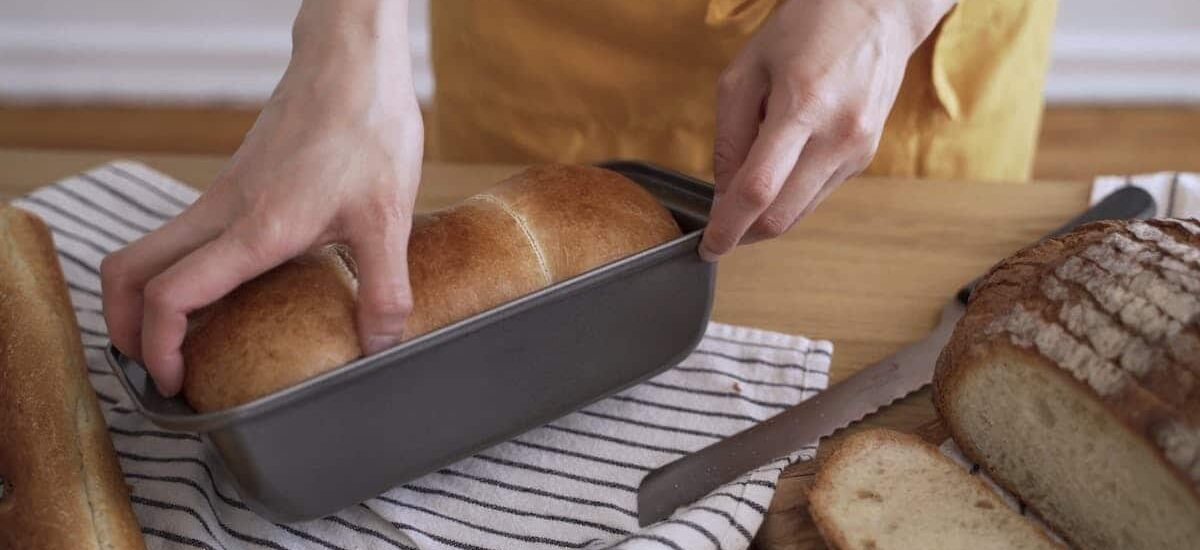
Baking homemade bread, although it seems simple, requires a certain mastery and knowledge of several essential tips. Indeed, bread, a noble and living product, requires special attention to achieve a beautiful crispy crust and an airy, soft crumb. The domestic oven, often underestimated, can be the ideal ally to achieve this, provided you know how to tame it. Too often, home baking enthusiasts end up with bread that is too dense or overcooked. However, a few wise tips can transform their oven into a true bakery.
The secrets to perfect bread baking
“Choosing the right flour for successful bread” is an essential step on the path to perfecting oven-baked bread. Each flour has its specificity that directly influences the appearance, taste, and texture of the bread. A wise choice can make all the difference in your culinary experience.
If you aim for light breads with an airy crumb, prefer gluten-rich flours like classic wheat or T55. These varieties provide more elasticity to your dough during the fermentation process, thus ensuring that delicious soft crumb after baking the bread in the oven.
For those seeking a distinctive taste or wishing to enrich their diet when undertaking oven-baked bread at home, whole flours or those containing various types of seeds such as flax, sesame, and poppy are recommended. They not only offer a rich flavor but also nutritional value to your final product.
Don’t forget that it is also entirely possible to combine several types of flour to achieve a homogeneous mixture before the crucial step of baking the bread in the oven • this will allow for different textures as well as interesting aromas.
In summary, choosing your type—or types—of flour is never a trivial act; it is often what will tip the balance towards success for all your future attempts at baking bread in your home oven.
Choosing the right flour for successful bread
The secrets of a good dough rise lie in a subtle balance between patience and know-how. The first crucial step is kneading, which helps develop the gluten network and achieve an airy texture. For this, it is essential to provide the ideal conditions for rising. The ambient temperature plays a key role: a room that is too cold will delay fermentation, while an atmosphere that is too hot may accelerate this process at the expense of flavor development.
To achieve an optimal rise, place your dough in a warm and slightly humid place. Some bakers even recommend lightly preheating your oven and then turning it off before placing the dough inside to encourage this essential step.
The time required for the dough to double or even triple in volume varies depending on several factors such as the type of flour used or the chosen leavening agents (fresh or dry yeast). Generally, expect between 1.5 to 2 hours for the first rise.
After shaping your individual loaves or creating a nice round shape with your ball of artisanal bread dough, let it rest for a few moments before the actual baking in the domestic oven. This second rise, known as ‘proofing’, will allow your dough to relax and develop its flavors even more.
Once your loaves are ready to be baked, carefully score them with a sharp blade to facilitate the temperature rise during baking. Indeed, this will prevent the loaves from bursting or deforming during this crucial step.
The secret to a good rise lies in respecting the necessary time and the conditions conducive to the optimal development of flavors and textures. Taking your time is therefore essential to achieve delicious and perfectly baked bread in a domestic oven.
Tips for a successful dough rise
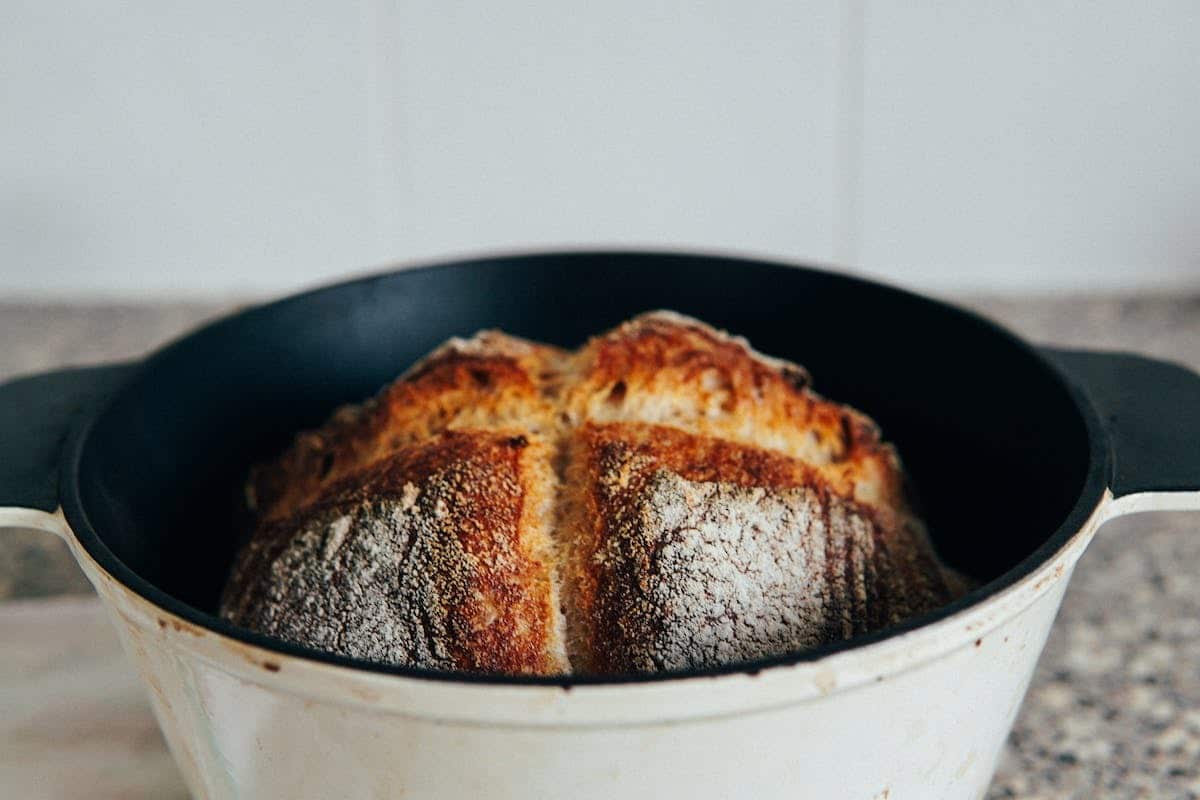
When it comes to achieving a crispy crust, think about skillfully handling the domestic oven. Preheat it to the maximum temperature recommended by your recipe before inserting your bread. This crucial step will create a thermal shock right at the beginning of the baking process, thus promoting the formation of a crispy crust.
To intensify this effect and achieve a beautiful golden color, you can lightly spray water on the walls of the oven at the moment of baking. The rapid evaporation will provide that sought-after crunchy texture. Be careful not to overly humidify your bread to avoid making its crumb soft.
Another tip is to place a container filled with hot water at the bottom of the oven during baking. The steam released will also help form a crispy crust by preserving the necessary moisture to prevent the surface of the bread from drying out too quickly.
The exact baking time varies depending on several factors such as the size of the loaves or the specific characteristics of each domestic oven (presence or absence of convection heat). Generally, expect between 20 and 30 minutes for small individual loaves and up to an hour for larger loaves.
Be sure to monitor your bread while it is baking to prevent it from burning. Once out of the oven, let it cool on a rack before enjoying it to preserve its beautiful crispy crust.
By following these simple yet effective tips, you will achieve homemade bread with a crispy crust and a soft crumb, worthy of the best bakeries.
Crispy crust: unbeatable tips
When it comes to achieving a perfectly baked bread, mastering the baking process is crucial. Once you have carefully prepared your dough and shaped it precisely, it is essential to understand the subtleties of ideal baking to achieve the desired result.
The choice of baking mode can have a significant impact on the final result. Domestic ovens may offer different options such as convection heat or natural convection. You need to select the one that best meets your expectations and the specifics of your recipe.
A general rule to follow is to preheat your oven before placing your bread inside. This step will allow the oven to reach the appropriate temperature right from the start of the baking process. The recommended temperature will depend on the type of bread you wish to make, but it generally ranges between 200°C and 250°C.
To achieve a golden and crispy crust, you should lightly spray water on the walls of the oven just after placing your bread inside. This simple gesture will promote rapid evaporation during the first minutes of baking, contributing to the development of that texture much appreciated by bread lovers.
Another effective way to achieve a beautiful crispy crust is to use a container filled with hot water placed at the bottom of the oven throughout the baking duration. The steam released will help maintain sufficient humidity in the oven, thus preventing the surface of the bread from drying out too quickly.
The exact baking time can vary depending on various factors such as the size and thickness of the bread, as well as the specific characteristics of each domestic oven. Generally, plan for between 20 and 30 minutes for small individual loaves, but this can go up to an hour for larger loaves. You must carefully monitor your bread throughout the baking duration to prevent it from burning.
The ideal timing for baking perfect bread
To enhance your homemade bread, here are a few additional tips to consider. It is recommended to closely monitor the coloration of your bread during baking. Once you reach a golden and appetizing hue, you can use a probe thermometer to check if the bread is well-cooked inside. The internal temperature of the bread should be around 90°C.
If you want to achieve an airy and soft crumb, consider incorporating ingredients such as eggs or milk into your recipe. These elements add richness and moisture to the dough, resulting in a lighter texture in the final product.
When it comes time to remove your bread from the oven, avoid rushing things. It is better to let the bread cool on a rack before slicing or enjoying it. This process will allow the excess moisture contained in the crumb to be gradually eliminated, thus ensuring better preservation of the finished product.
Another tip is to lightly brush your bread with a mixture, for example, of a beaten egg yolk with a little water just before placing it in the oven. This technique will not only give a beautiful golden and shiny color but also a professional look to your baking creations.
For a more refined taste experience, feel free to add aromatic ingredients such as fresh herbs, spices, or even seeds to bring an extra touch of originality and flavor to your homemade bread.
With these final tips in hand, you now have all the keys necessary to successfully bake bread in your domestic oven. Experiment with different recipes, adjust the techniques according to your preferences to achieve a result that will delight your taste buds and those of everyone who has the privilege of tasting your homemade bread.
Elevate your homemade bread with these final tips
It is important to emphasize the significance of good dough hydration. Indeed, an ideal ratio between the amount of water and flour will yield a softer and lighter texture. Don’t hesitate to gradually adjust the proportions until you achieve the desired result.
To add a crispy touch to your homemade bread, consider using a spray bottle filled with water to lightly mist the oven during baking. This technique will allow the breads to develop a golden and crispy crust while retaining their internal moisture.
If you wish to experiment with fine herbs or exotic spices, be sure to incorporate them wisely into your dough. It is best to mix them with the dry ingredients before adding the liquid to ensure an even distribution of flavors in every bite.
Remember that successfully baking bread also requires a bit of patience. Allow the fermentation process to unfold properly to achieve a perfect alveolar structure in your crumb. Do not rush the steps and carefully follow the recommended resting times in your recipe.
Armed with these additional tips, you are now ready to tackle all the challenges of baking bread in your domestic oven. Feel free to venture down the path of experimentation and create unique recipes that will delight your taste buds as well as those of your loved ones. Savor every bite while appreciating the fruit of your artisanal work and let yourself be transported by the divine aromas of freshly baked bread.