
Immersed in the world of scrap metals, whose value is often underestimated, the scrap metal buyback price raises many questions. Why this price distinction between two seemingly identical piles of rusty metal? What causes this price variation and who decides it? Between market laws, metal prices, and the quality of the scrap, several factors come into play. The economic-ecological puzzle of pricing these metal debris deserves particular attention to understand the stakes of this industry.
Correction:
Immersed in the world of scrap metals, whose value is often underestimated, the scrap metal buyback price raises many questions. Why this price distinction between two seemingly identical piles of rusty metal? What causes this price variation and who decides it? Between market laws, metal prices, and the quality of the scrap, several factors come into play. The economic-ecological puzzle of pricing these metal debris deserves particular attention to understand the stakes of this industry.
The origin of scrap: discovering the sources
The sorting and recycling process of scrap metal is a crucial step that directly influences the steel scrap price. When metal waste is collected, it enters a rigorous cycle where each element is carefully examined and classified based on its composition.
This meticulous work allows for the extraction of steel from other materials, which will then be destined to be melted down to create new metal. The steel scrap price is therefore influenced by several factors: quality of the recovered metal, available quantity, but also transport costs and administrative fees inherent to this complex process.
To concretely evaluate the price applied to scrap, professionals follow several methods including precise weighing or in-depth chemical analysis to accurately establish the composition of the collected materials.
However, these techniques can vary from one professional to another depending on their specific expertise. Moreover, it should be noted that economic conditions also play a key role in the scrap market. Thus, when supply significantly exceeds demand, a decrease in prices is generally observed, whereas conversely, when there is a shortage in the market, prices tend to naturally increase.
It is essential for any player in this sector or anyone wishing to sell their ferrous waste to be informed about market fluctuations in order to take advantage of them. Understanding how the ‘steel scrap price’ is defined today thus offers better visibility on this often underestimated raw material but with real potential.
Every rusty piece indeed hides an intrinsic value that only those who perfectly master this complex universe can maximize.
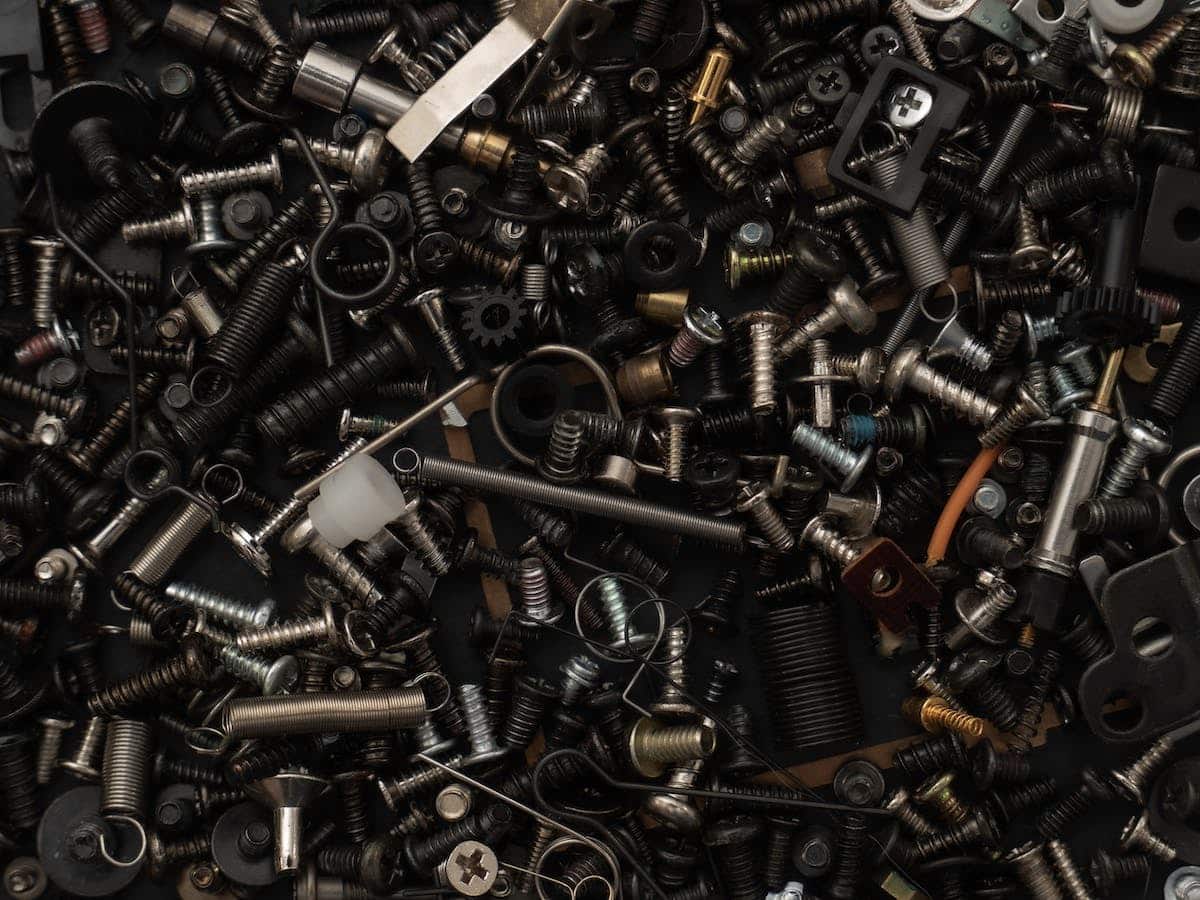
Sorting and recycling of scrap: an essential process
One of the key factors influencing the scrap buyback price is the fluctuation of international metal prices. Indeed, prices are closely linked to the evolution of global markets such as iron, aluminum, or copper. Variations in these prices can have a significant impact on the amount offered by buyers.
Another major element to consider is the overall state of the construction and industry market. The demand for scrap is directly related to activities in these sectors, as it constitutes an essential raw material for the production of new steel. When the construction sector experiences a booming period with many ongoing projects, this generally leads to an increase in demand and therefore in price.
Key factors of the scrap buyback price
When it comes time to determine the scrap price, buyers generally use several calculation methods. One of the most common is the fixed price method. In this case, a predefined amount is assigned to each type of material based on its quality and weight. This method can be subject to variations depending on market fluctuations.
Another method employed is the price based on international rates. Companies refer to international quotations to establish their pricing. They take into account daily or weekly variations to adjust their offers accordingly. This method allows for greater transparency in evaluation and ensures some consistency with global markets.
Some professionals may use the technique of individually negotiated prices. In this case, an agreement is reached between the buyer and the seller to determine a price based on various factors such as quantity, quality, and even transport costs.
It is crucial to mention that each company may have its own specific criteria when it comes to assessing the value of a batch of scrap. Elements such as the purity of the metal or its compliance with environmental standards often play an important role in these decisions.
Understanding how the scrap price is determined requires a deep knowledge of the market and the methods used by buyers. Sellers must be informed about these different parameters in order to negotiate the best price for their materials.
Calculating the scrap price: methods explained
The impact of supply and demand on the buyback prices of scrap cannot be overlooked. Indeed, these two major elements largely dictate the market fluctuations.
Demand plays an essential role in price setting. If it is high, then buyers will be willing to pay more to source scrap. This may be due to an increase in industrial activity or heightened demand from sectors such as construction and automotive.
On the other hand, when supply is limited, this often leads to a rise in prices. If suppliers face supply difficulties or if recycling is not sufficient to meet growing demand, they can afford to impose higher prices on buyers.
Global economic factors also have a significant impact on the buyback prices of scrap. Financial and economic crises can cause a sharp decline in demand as well as a general decrease in purchasing power, which inevitably leads to a drop in the price offered by buyers.
It is important to consider the global geopolitical context. Trade tensions between countries can directly affect international trade in ferrous and non-ferrous metals, thus causing significant price variations.
Many countries have become aware of the importance of reducing their carbon footprint and promoting recycling.
The scrap market: what are the prospects for the future
The increasing use of robotics and artificial intelligence in the recycling sector has optimized the sorting and separation processes of different materials. This has not only improved the efficiency of operations but also reduced production costs.
At the same time, rapid urbanization in certain regions of the world is leading to a growing demand for raw materials, of which scrap is an integral part. Companies are therefore willing to invest more in the collection and processing of waste to meet this growing demand.
Another factor influencing the buyback price is logistics costs. Indeed, the more you have to comply with environmental regulations. Many countries have implemented strict standards regarding waste treatment and actively encourage recycling efforts. This constant increase in environmental requirements can lead to a rise in overall recycling costs and thus directly influence the price at which scrap is bought back by recyclers.
The scrap buyback price is determined by a multitude of factors. Elements such as supply and demand, technological advancements, evolving regulations, and logistics costs all impact this price. Scrap plays an essential role in preserving natural resources and reducing our environmental footprint; it is vital to continue encouraging this practice to ensure a sustainable future.